
Finding the Best Lab Tests Near Me: A Complete Guide
- miamivipdoctor
- Mar 17
- 3 min read
When you need lab tests, finding a reliable and convenient location is crucial. Whether it’s for routine blood work, specialized screenings, or urgent diagnostics, knowing how to find the best lab tests near you can save time, reduce stress, and ensure accurate results. This guide walks you through everything you need to know to choose the right lab testing facility close to home or work.
Why Choosing the Right Lab Matters
Lab tests provide essential information about your health. The accuracy and timeliness of these tests can impact diagnosis and treatment plans. Not all labs offer the same quality or services, so selecting a trusted facility is important. Here are some reasons why the choice of lab matters:
Accuracy of results affects your doctor’s decisions.
Convenience reduces delays and missed appointments.
Cost varies widely between labs and insurance coverage.
Range of tests available can differ by location.
Turnaround time influences how quickly you get results.
Knowing what to look for helps you avoid common pitfalls like long wait times, unclear instructions, or unexpected expenses.
How to Find Lab Tests Near You
Finding a lab close to your location is easier than ever thanks to online tools and local directories. Here are practical steps to locate the best options:
Use Online Search Tools
Typing “lab tests near me” into a search engine or map app will show nearby labs with ratings, hours, and services. Look for labs with:
Positive customer reviews
Clear information on test types
Convenient hours, including weekends or evenings
Check with Your Healthcare Provider
Your doctor or clinic often partners with specific labs. They can recommend trusted facilities that meet quality standards and accept your insurance.
Review Insurance Coverage
Contact your insurance company or check their website to find labs in your network. Using in-network labs lowers your out-of-pocket costs.
Ask About Services and Specialties
Some labs specialize in certain tests like genetic screening, allergy panels, or hormone levels. If you need a specific test, confirm the lab offers it.
Consider Location and Accessibility
Choose a lab that is easy to reach by car, public transport, or walking. Check if parking is available or if the lab has accommodations for people with disabilities.
What to Expect When You Visit a Lab
Knowing what happens during a lab visit can ease anxiety and help you prepare. Here’s what typically occurs:
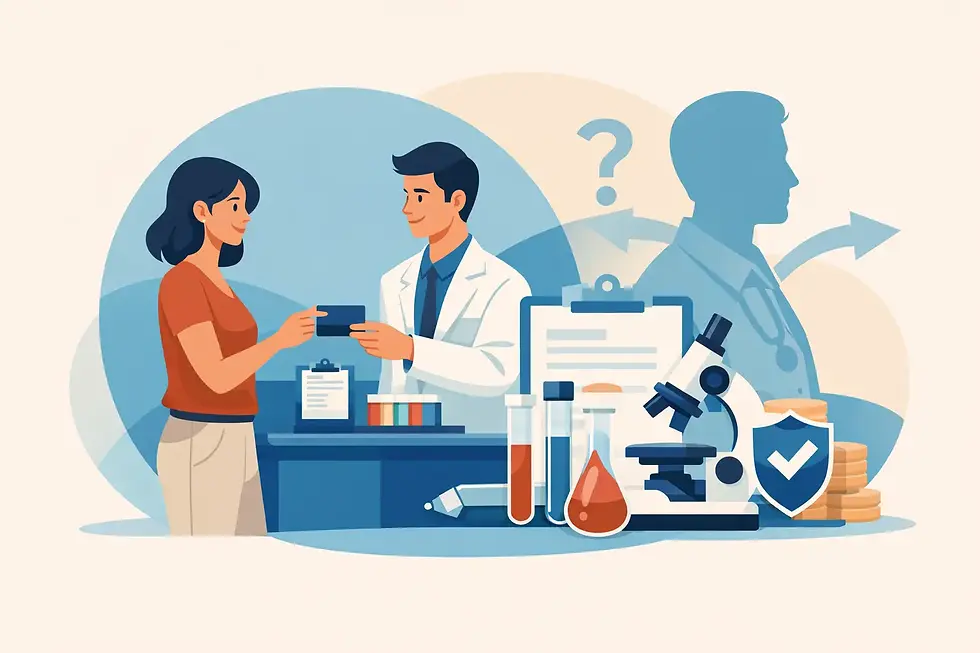
Check-in: Provide your ID, insurance card, and any lab orders.
Sample collection: Blood, urine, saliva, or other samples are collected by trained staff.
Instructions: You may receive guidelines on fasting or medication restrictions before testing.
Wait time: Some labs offer walk-in service, while others require appointments.
Results: Labs usually send results to your doctor electronically or provide a patient portal for direct access.
Ask about the expected turnaround time and how you will receive your results.
Tips for Choosing the Best Lab Tests Near Me
To get the most from your lab testing experience, keep these tips in mind:
Compare prices: Some labs publish prices online. If not, call to ask about fees for common tests.
Look for accreditation: Labs accredited by organizations like the College of American Pathologists (CAP) meet high quality standards.
Check reviews: Patient feedback can reveal issues with customer service or delays.
Confirm test availability: Not all labs perform every test, so verify before you go.
Prepare properly: Follow any instructions about fasting or medication to avoid inaccurate results.
Examples of Popular Lab Testing Facilities
Here are examples of common types of labs you might find near you:
Hospital-based labs: Often have extensive test menus and advanced equipment.
Independent labs: Such as Quest Diagnostics or LabCorp, which have many locations nationwide.
Retail clinics: Pharmacies or urgent care centers sometimes offer basic lab testing.
Specialty labs: Focus on specific areas like genetics, pathology, or infectious diseases.
Choosing the right type depends on your needs, convenience, and budget.
When to Seek Lab Testing
Lab tests are used for many reasons, including:
Routine health checkups
Diagnosing symptoms like fatigue or pain
Monitoring chronic conditions such as diabetes or thyroid disorders
Screening for infections or diseases
Pre-surgical evaluations
If your doctor recommends testing, don’t delay. Early detection often leads to better outcomes.
Comments